
Last updated October 16, 2026
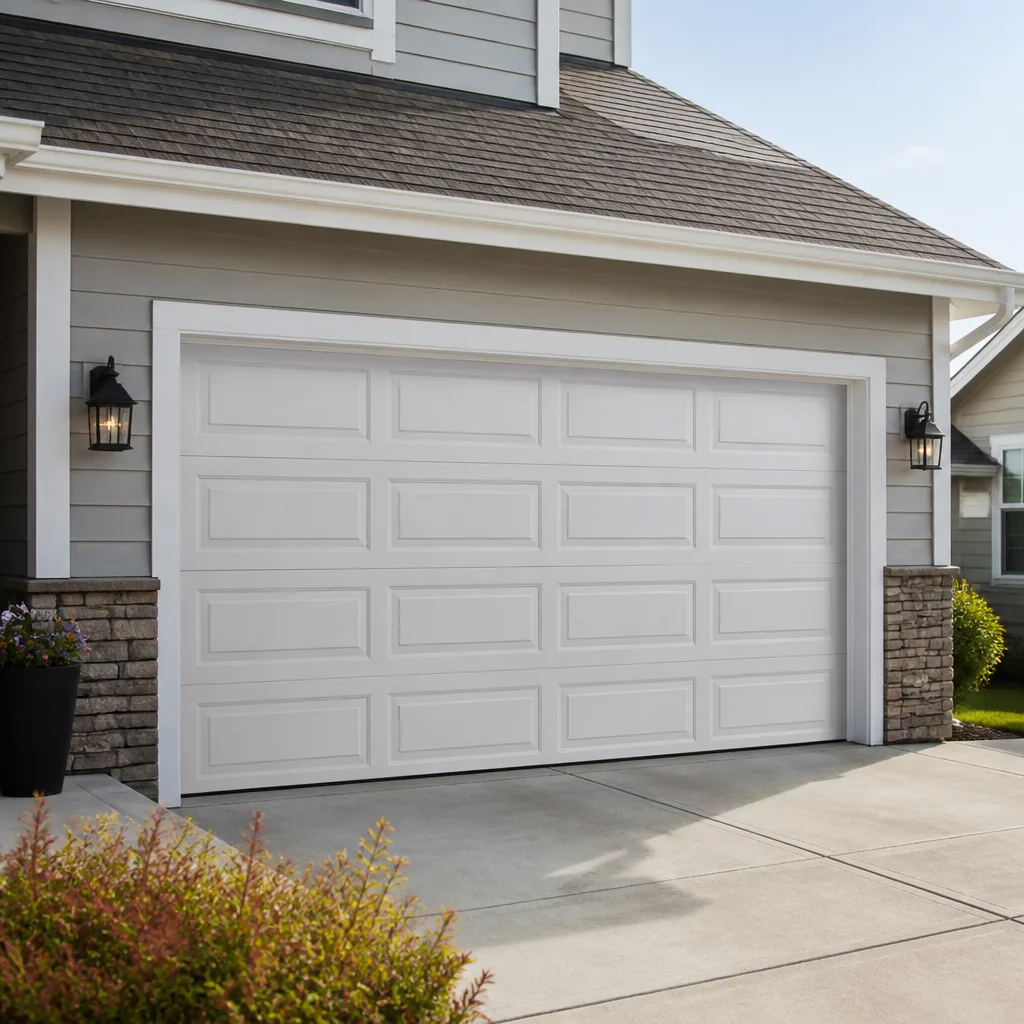 Raised-panel steel
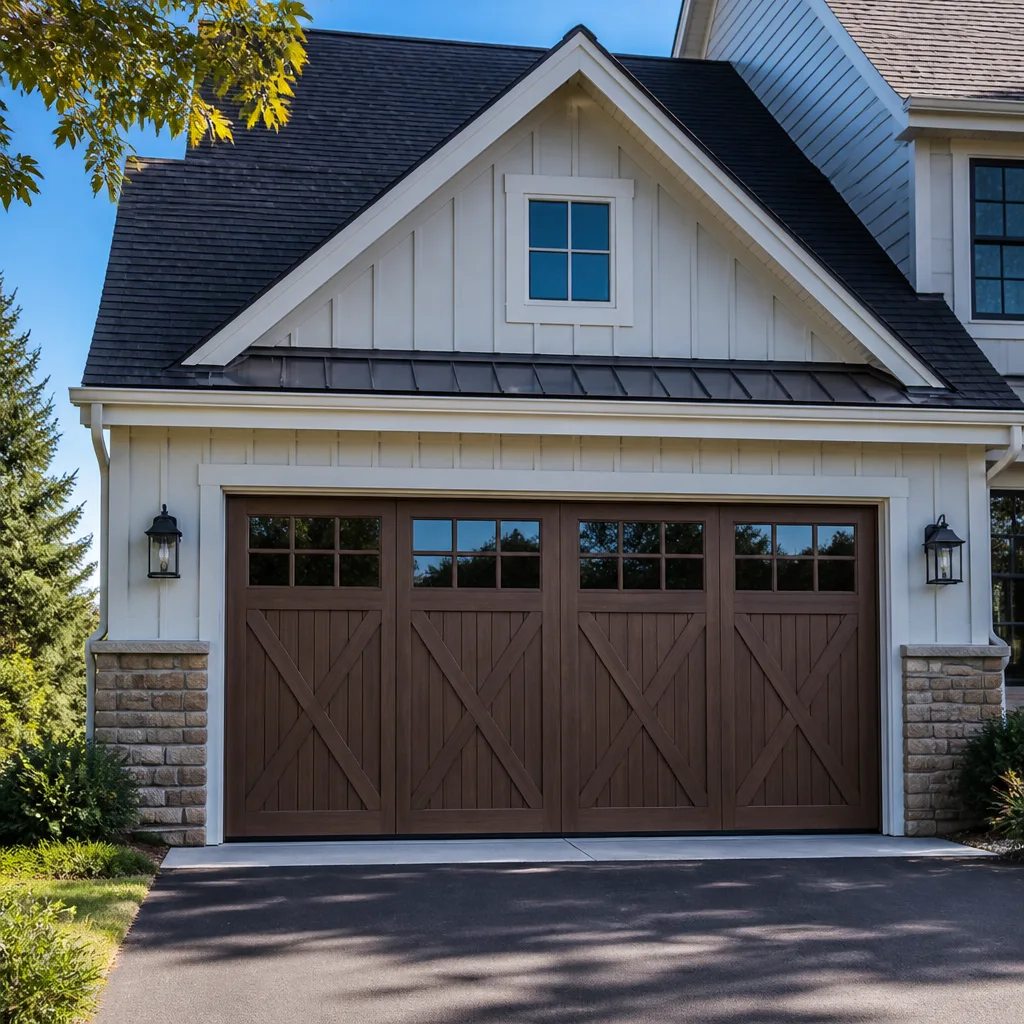 Carriage house
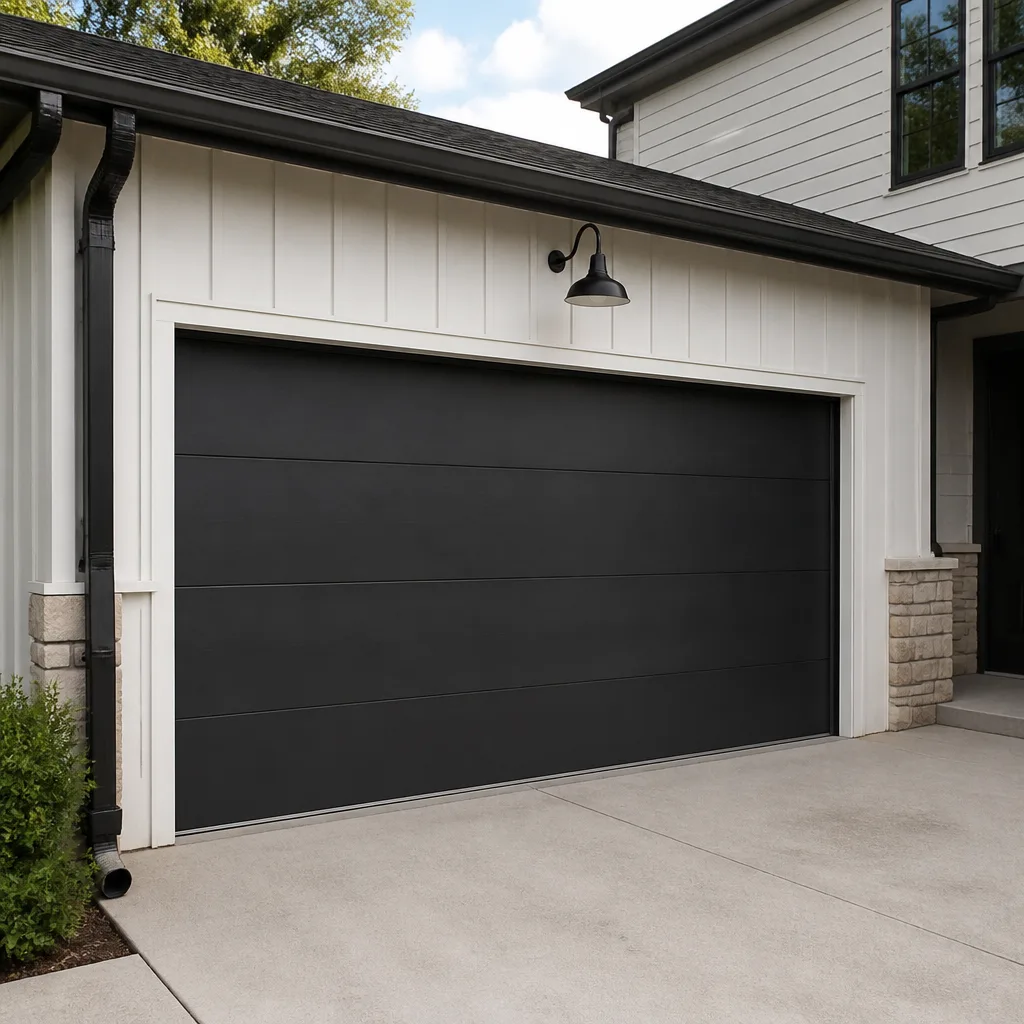 Modern flush
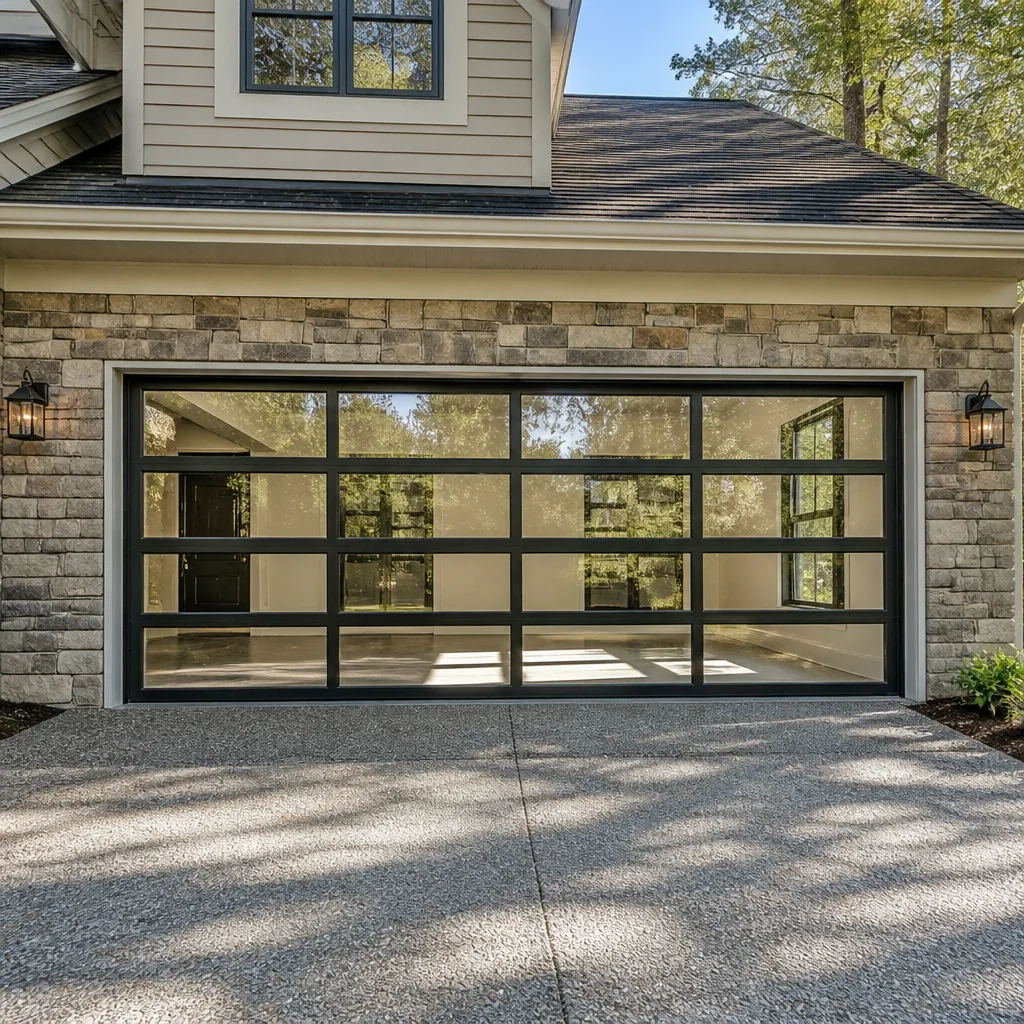 Full-view glass
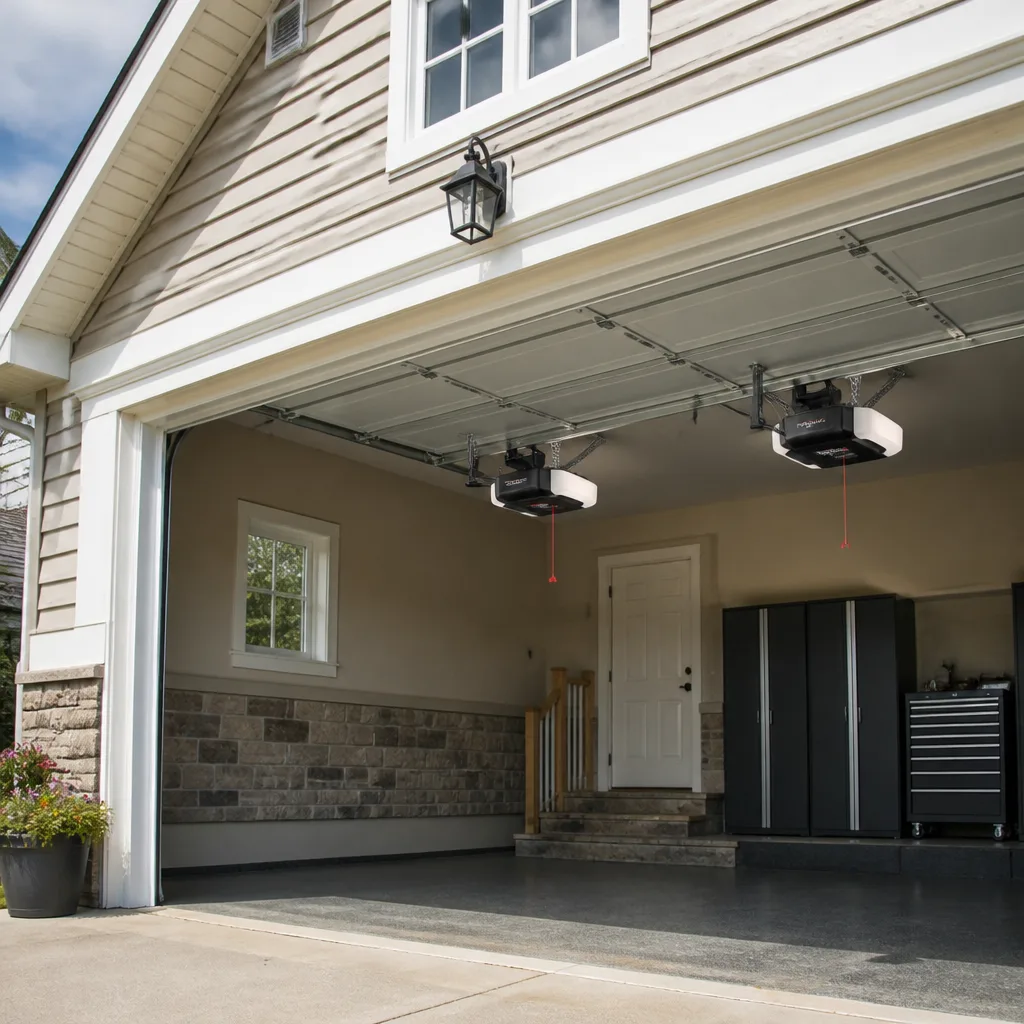 LiftMaster openers
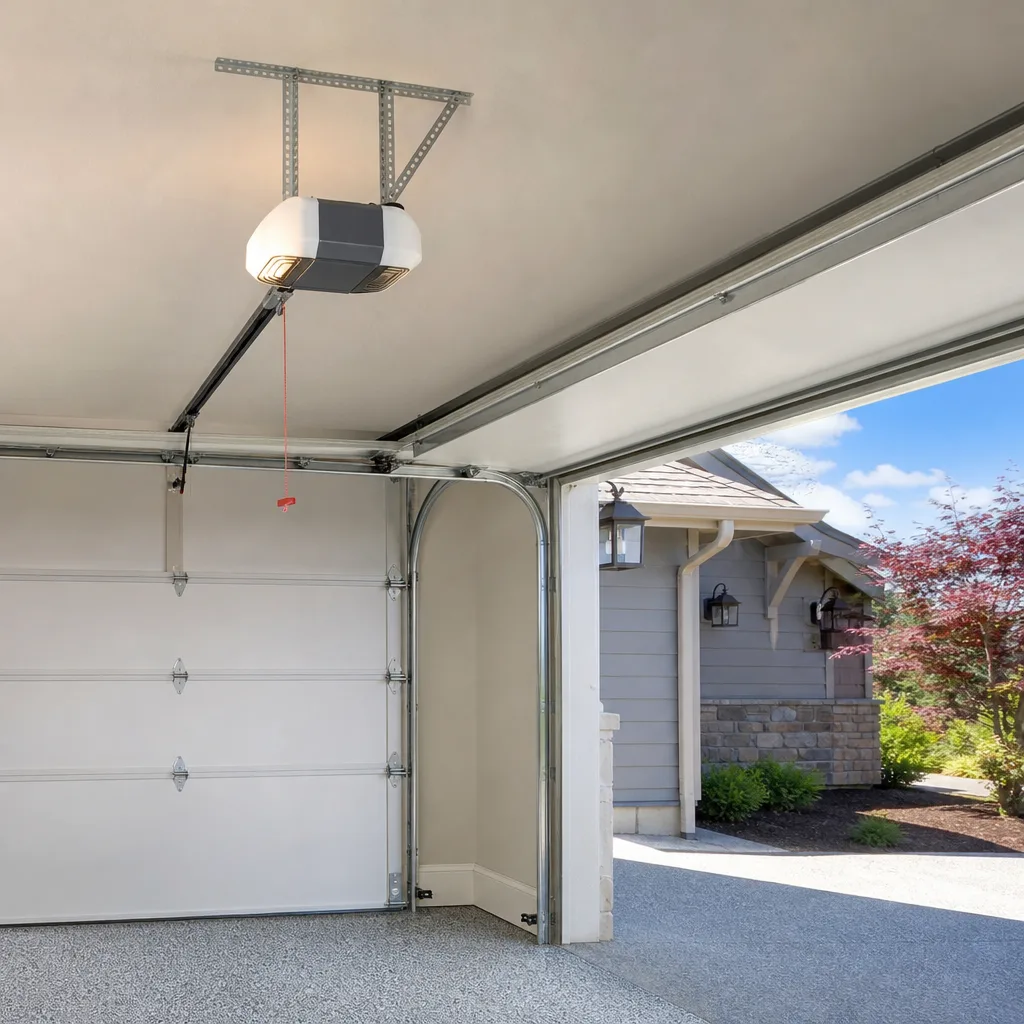 Chamberlain openers
Full 25-point door and opener safety check with every visit - springs, cables, rollers, tracks, and your LiftMaster or Chamberlain opener included
You get a price before we start. It does not change when the truck arrives.
Get your free estimateSeasonal Garage Door Care for Las Vegas: Year-Round Homeowner’s Guide
Las Vegas gets 294 days of sun a year. That’s not a selling point for your garage door. It means your springs, cables, and weather seals are under UV and thermal stress almost every single day, with no winter dormancy to slow the damage. Most seasonal maintenance advice you’ll find online was written for places with snow and ice, so check our more guides & resources written specifically for desert climates. This guide is different. It maps garage door care to the actual climate cycles of Las Vegas, month by month, so you know exactly what to check, when to check it, and what you can safely handle yourself versus what needs a trained tech.
Styles & brands we work with
Quick Answer
Seasonal garage door maintenance in Las Vegas isn’t a spring-and-fall routine. It means addressing extreme heat and sun damage from June through September, cleaning monsoon debris from tracks in July and August, recalibrating spring tension in October and November, and checking cold-weather lubricant viscosity from December through February. Most homeowners can handle five-minute visual inspections, but spring and cable adjustments should always be left to a professional because the tension involved can cause serious injury-read DIY vs Professional Garage Door: The Las Vegas Homeowner’s Decision Guide to know what’s safe to tackle yourself.
Table of Contents
- Why Las Vegas Is Different: A Two-Season Climate for Garage Doors
- Summer (June-September): Heat, UV, and the 150°F Asphalt Problem
- Monsoon Season (July-August): Haboobs, Dust, and Track Contamination
- Fall Transition (October-November): The Spring Recalibration Window
- Winter (December-February): Cold Nights, Stiff Lubricant, and Motor Strain
- Month-by-Month Las Vegas Garage Door Calendar
- Common Mistakes to Avoid
- When to Call a Professional
- Frequently Asked Questions
- The Bottom Line
Why Las Vegas Is Different: A Two-Season Climate for Garage Doors
Las Vegas doesn’t have four seasons. It has two brutal ones and two brief transitions. From June through September, daytime highs routinely exceed 100°F, and the sun beats down on your garage door for 12 to 14 hours straight. From December through February, overnight lows dip below freezing, and that temperature swing puts mechanical stress on every metal component in your system. Spring and fall each last about six weeks, and those windows matter more than most homeowners realize.
The problem with generic maintenance advice is that it assumes a garage door rests during part of the year. In Las Vegas, your door is opening and closing an average of three to five times daily, 365 days a year, in one of the most UV-intense climates in the United States. That’s roughly 1,500 to 1,800 open-and-close cycles annually, each one placing load on the torsion spring above your door. A standard torsion spring is rated for 10,000 cycles. Do the math: in Las Vegas conditions, that spring is approaching the end of its usable life in five to seven years, not the ten-plus you might get in a milder climate.
At Marlow Garage Door Repair Las Vegas home, we see the same failure patterns repeated across neighborhoods from Summerlin to Henderson to Centennial Hills. The doors that fail are almost always the ones that never got a seasonal check. The doors that last are the ones where someone paid attention to the small stuff before it became an emergency repair at 9 p.m.
Summer (June-September): Heat, UV, and the 150°F Asphalt Problem
The biggest summer threat to your garage door in Las Vegas isn’t the door itself. It’s the ground it sits on. Asphalt driveways in Las Vegas reach surface temperatures between 150°F and 170°F from late June through early September. Your bottom weather seal, the rubber strip along the bottom edge of the door, sits in direct contact with that heat for hours every afternoon. Standard vinyl seals degrade quickly under those conditions. They crack, warp, flatten, and lose their flexibility. Once the seal fails, you get gaps. And in Las Vegas, gaps mean two things: dust intrusion and scorpion entry.
Here’s what summer-specific wear looks like:
- Bottom seal flattening: Vinyl seals lose their compression memory after one Las Vegas summer. Check for gaps where the seal meets the driveway, especially if your driveway has any slope or settling.
- Roller wear acceleration: Nylon rollers with ball bearings hold up better than plastic rollers in high heat, but both wear faster when ambient garage temperatures exceed 120°F, which they do regularly in unventilated garages.
- Spring fatigue: Heat doesn’t directly weaken a torsion spring, but the constant expansion and contraction from 100°F daytime to 70°F nighttime cycles does. Springs in Las Vegas fail more often in late summer than any other time of year.
- Panel fading and warping: South-facing and west-facing doors take direct afternoon sun. Amarr and Clopay both offer UV-resistant panel finishes, but even those fade after five-plus years of Las Vegas sun. Warping is more serious and usually indicates a panel that needs replacement.
What to Do in Summer: A Five-Minute Weekly Check
- Look at the bottom seal. Stand outside with the door closed and squat down. If you can see daylight under the door, the seal is gone. Replace it before dust season peaks.
- Listen to the door operate. A healthy door is smooth and quiet. Grinding, squealing, or rattling in July means friction is increasing, and friction accelerates wear on every moving part.
- Feel the door panels after sunset. If the interior face of the door is too hot to touch at 9 p.m., your garage is retaining heat. Consider a garage ventilation fan or at minimum leaving the door open for 20 minutes after sunset when it’s safe to do so.
- Check the safety sensors. Heat can cause sensor brackets to shift. Make sure both sensors are aligned and their lenses are clean. Dust accumulates fast in summer.
For bottom seal replacement in summer, we recommend a rubber compound over vinyl. Rubber seals cost about $20 to $40 more than vinyl, but they survive two to three Las Vegas summers instead of one. It’s one of the few places where spending slightly more up front clearly pays off.
Monsoon Season (July-August): Haboobs, Dust, and Track Contamination
Monsoon season in Las Vegas officially runs from June 15 through September 30, but the dust storms peak in July and August. A single haboob can deposit a fine layer of silt on every horizontal surface in your neighborhood, and your garage door tracks are horizontal surfaces. That dust gets into the track channels, mixes with the existing lubricant, and forms a gritty paste that acts like sandpaper on your rollers.
Here’s what haboob dust does to a garage door system:
- Track contamination: The steel tracks on either side of the door are U-shaped channels. Dust settles in the bottom of the U. Rollers drag through it on every cycle.
- Roller bearing damage: Fine dust works its way into ball-bearing rollers. Once the bearings seize, the roller stops rolling and starts sliding. A sliding roller wears a flat spot, and a flat-spotted roller will eventually snap.
- Sensor blindness: The photo-eye sensors at the bottom of the door opening get coated in dust during a haboob. A dirty sensor can cause the door to refuse to close or, worse, reverse mid-close.
- Hinge and bracket grit: Every pivot point collects dust. Unchecked, that grit accelerates wear on the hinges that connect each panel.
Post-Haboob Cleaning Protocol
- Wait for the dust to settle. Don’t rush out during or immediately after a dust storm. Fine silt stays airborne for hours. Give it until the next morning.
- Wipe down the sensor lenses. Use a dry microfiber cloth. Don’t use glass cleaner, which leaves a residue that attracts more dust.
- Clean the visible track sections. Use a damp cloth to wipe the inside of the track channels where the rollers travel. A small detail brush helps get into the corners.
- Operate the door and listen. If the door sounds gritty or rough after cleaning, the dust has already worked into the bearings. That’s a sign the rollers need professional replacement.
- Re-lubricate the obvious friction points. Garage door lubricant goes on hinges, rollers, and the torsion spring. Spray the hinge pins and the spring coils lightly. Don’t spray the track itself; lubricant in the track attracts more dust.
If a haboob rolled through and your door now makes a screeching sound, the rollers are likely damaged. Roller replacement typically runs $120 to $180 for a full set on a standard two-car door in Las Vegas. Our Garage Door Repair in Las Vegas service includes roller inspection on every call, so you’re not guessing about what’s actually worn.
Fall Transition (October-November): The Spring Recalibration Window
Here’s the insight most Las Vegas homeowners never hear: October and November are the most important months for garage door maintenance in this city, and almost everyone skips them. The reason comes down to thermal contraction. All summer, your torsion spring has been operating at temperatures between 80°F and 110°F. Metal expands in heat. When the first cold front of fall drops overnight temperatures into the 50s and 40s, that same spring contracts. If the spring was marginally fatigued all summer, the first significant contraction event can snap it outright.
In our experience, we see more spring failures in October and November than any other two-month stretch. The damage was done in summer. The failure happens in fall. The solution is to catch it during the brief transition window before it becomes an emergency.
Here’s what to check in fall:
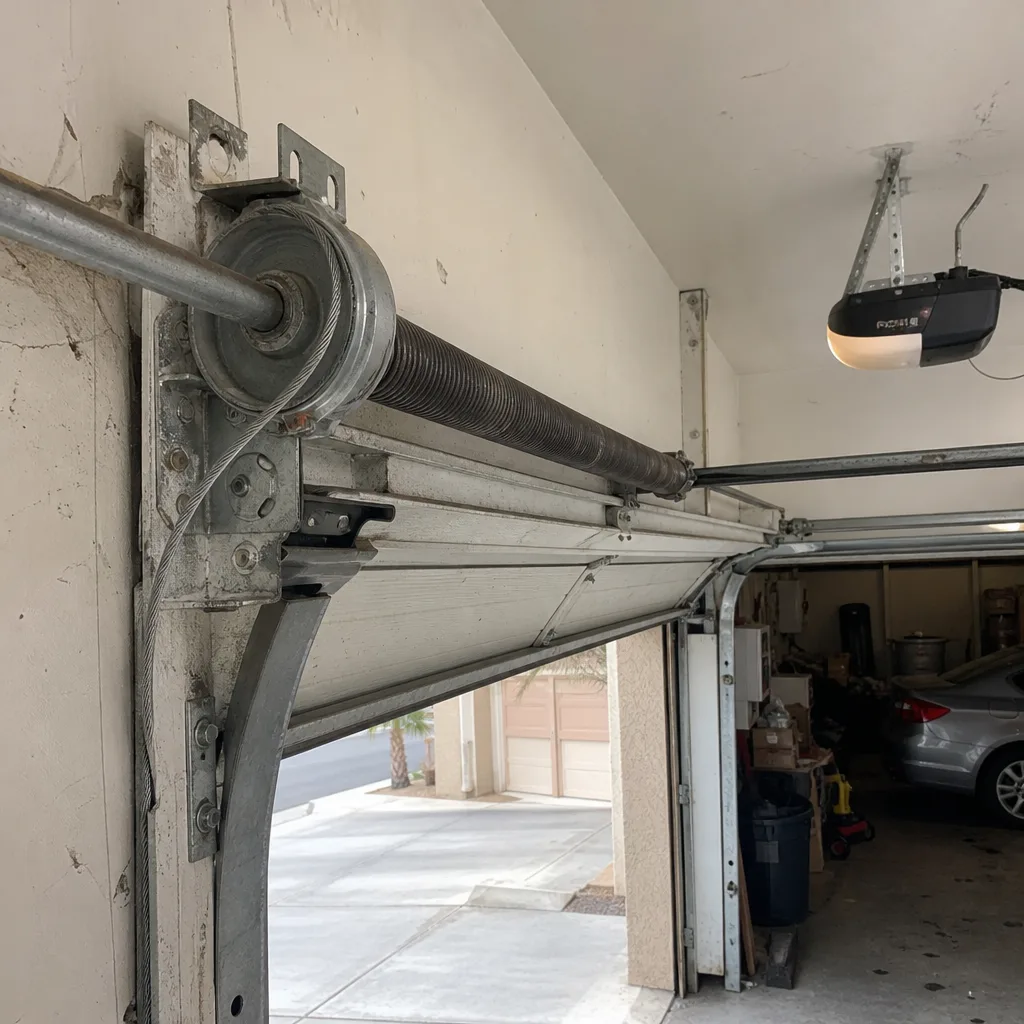
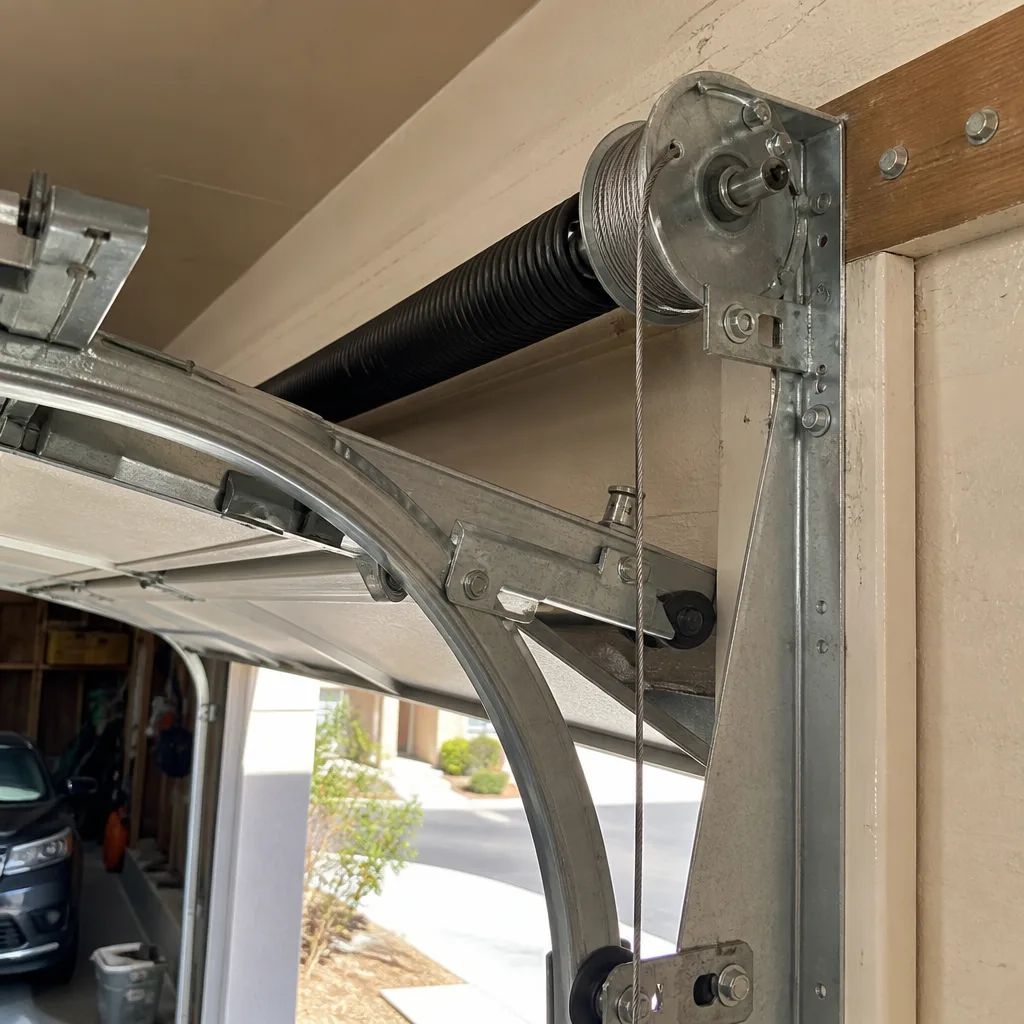
- Spring gap check: With the door closed, look at the torsion spring above the door opening. A healthy spring has tight, uniform coils. If you see a visible gap between any two coils, the spring is starting to separate and needs replacement soon, not eventually.
- Balance test: Pull the emergency release cord and manually lift the door halfway. It should stay put. If it drops, the spring is under-tensioned. If it flies up, it’s over-tensioned. Both conditions require professional adjustment. Do not attempt this yourself.
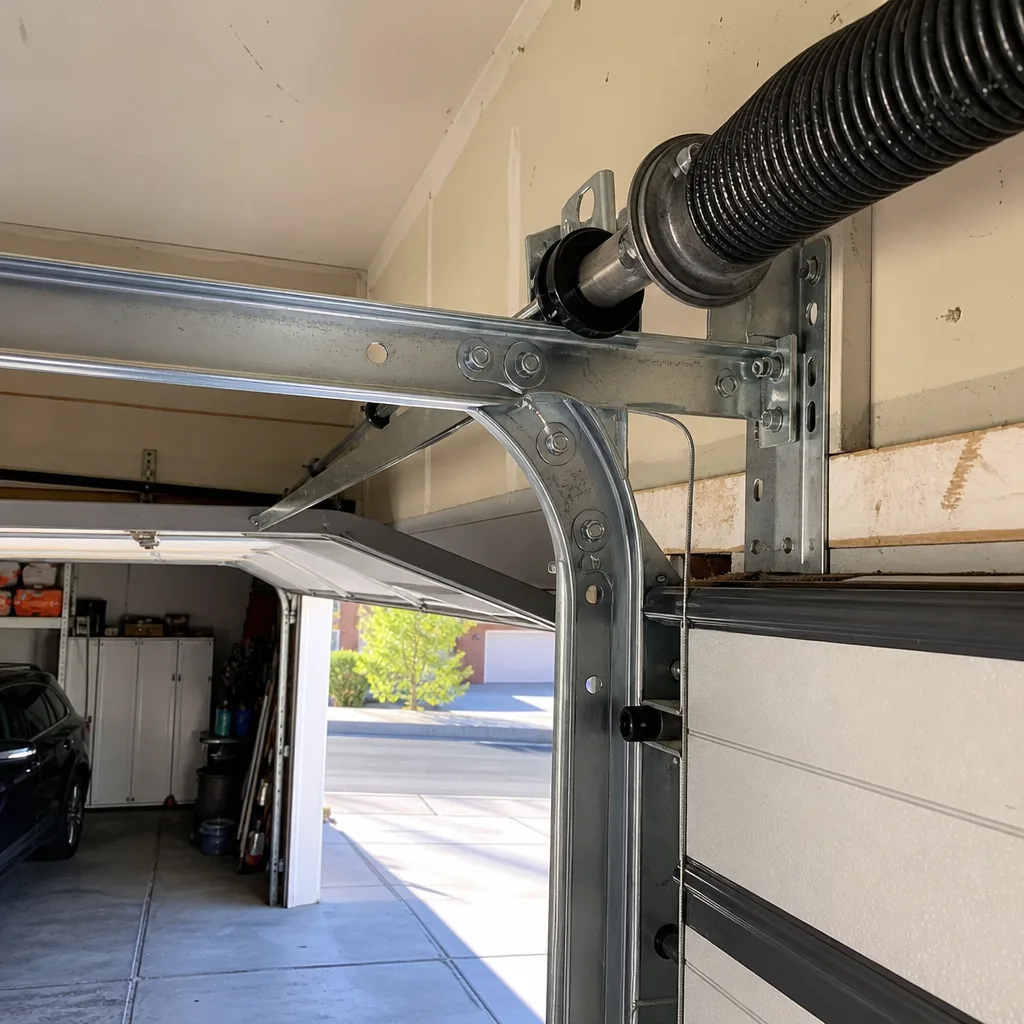
- Cable inspection: Look at the lift cables on both sides of the door. Fraying, rust, or looseness around the drum at the top of the shaft are signs of imminent cable failure. A snapped cable under tension is dangerous and can damage the door panel, the track, and anything nearby. Leave this one to a pro.
- Weatherstrip replacement: After a summer of UV exposure, the side and top weatherstripping around the door frame is brittle. Fall is the right time to replace it, before winter temperature swings make the problem worse.
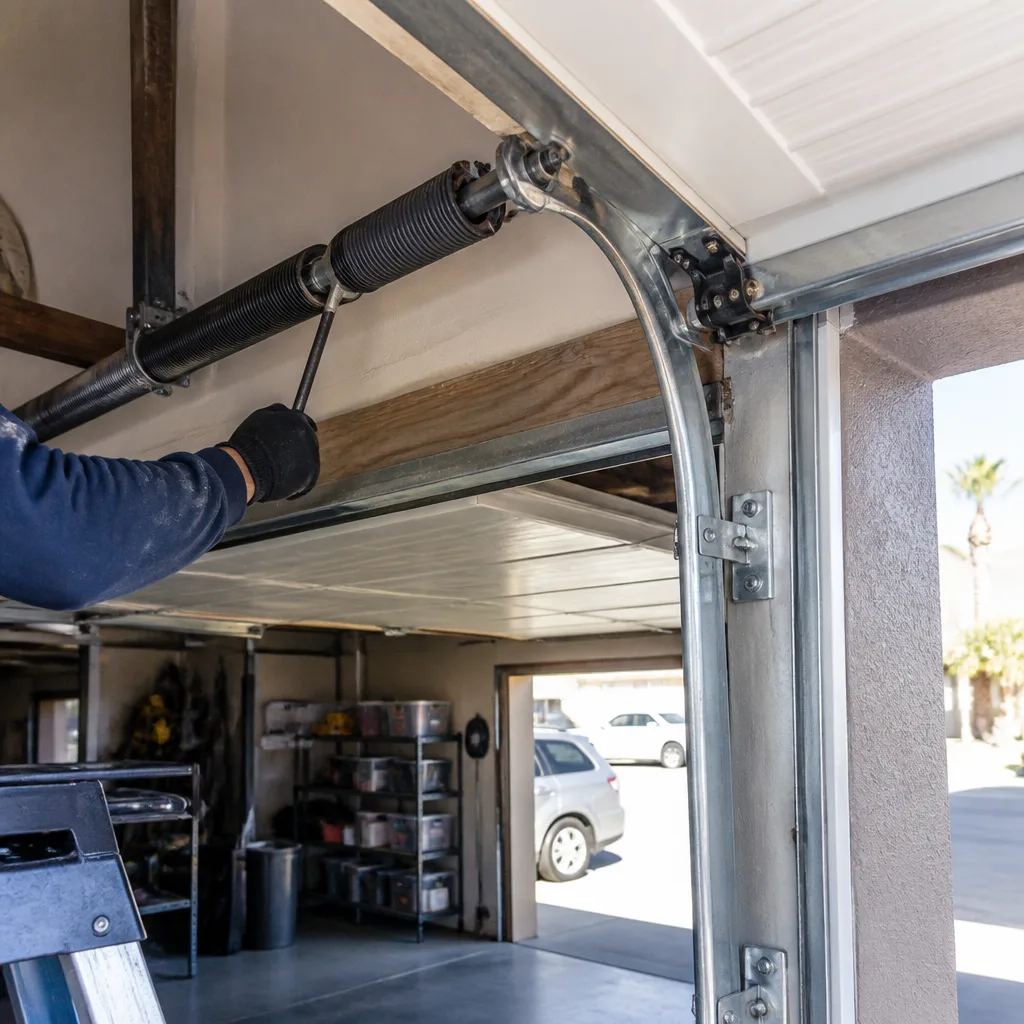
Recalibrating spring tension is not a DIY job. The torsion spring stores enough energy to cause severe injury or death if it releases unexpectedly. This is the one task in this entire guide where we will not provide instructions. Call a professional. Our Garage Door Spring Repair in Las Vegas team handles this work daily, and every spring replacement includes the written price before any wrench turns.
Winter (December-February): Cold Nights, Stiff Lubricant, and Motor Strain
Las Vegas winters are mild by most standards, but the temperature swings create specific problems. Overnight lows in December and January regularly dip to 30°F to 35°F in the central valley, and outlying areas like Anthem, Mountain’s Edge, and the northwest valley run a few degrees colder. A garage door that operates smoothly at 65°F behaves differently at 35°F.
The most overlooked issue is lubricant viscosity. Standard garage door lubricant thickens in cold weather. If your door was lubricated with a heavy product or a product not designed for temperature extremes, that lubricant turns gummy overnight. The result is a door that moves slower, strains the opener motor, and eventually trips the opener’s safety reverse or burns out the motor capacitor.
Here’s what to check in winter:
- Cold-start test: On a cold morning, before the garage has warmed up, operate the door and watch how it moves. A healthy door should open smoothly in 12 to 15 seconds. If it’s jerky, slow, or the motor sounds like it’s straining, the lubricant is likely the culprit.
- Spring lubricant inspection: Spray a light coat of white lithium or silicone-based garage door lubricant on the torsion spring coils in December. This is the most cost-effective thing you can do to extend spring life in a Las Vegas winter. The spray displaces moisture from condensation and keeps the coils from binding.
- Motor gear check: Chamberlain and Genie openers manufactured before 2015 often used plastic drive gears. Cold temperatures make those gears brittle. If you hear a grinding sound from the motor housing on a cold morning, the gear is stripping and needs replacement before it fails completely.
- Condensation awareness: Las Vegas winter nights produce condensation inside uninsulated garages. Water collects on the door tracks, springs, and hinges. Over time, this causes surface rust. A light quarterly coat of lubricant on metal components prevents this.
One more winter-specific note: if your door faces north and gets no sun in December, the panels stay cold all day. Insulated doors handle this fine. Non-insulated single-layer steel doors become heat sinks, and the opener has to work harder against a heavier-feeling door. If you’re in the market for a new door, see our Garage Door Cost Breakdown: The Las Vegas Homeowner’s Reference for 2026, and consider a polyurethane-insulated model from Clopay or Amarr. The difference in winter performance and summer heat reflection is significant.
Month-by-Month Las Vegas Garage Door Calendar
Here’s the annual schedule we recommend to homeowners in Las Vegas. Each month takes five minutes or less, except where noted. The key is consistency, not effort. These small checks catch problems before they become $300 emergency calls at midnight.
January
- Cold-start test: operate the door on a cold morning and listen for straining or jerking.
- Spray torsion spring with silicone-based lubricant if it looks dry.
- Check side weatherstripping for gaps. Cold air infiltration matters more than you think in January.
February
- Inspect lift cables visually for fraying. Look specifically at where the cable wraps around the drum.
- Test the auto-reverse safety feature by placing a 2×4 flat under the door and closing it. The door should reverse on contact.
- Lubricate hinges and rollers if temperatures have been cold and dry.
March
- Clean sensor lenses with a dry cloth. Pollen season starts in March in Las Vegas, and sensors get coated fast.
- Check balance: pull the release cord and lift the door halfway. It should hold position.
- Inspect bottom seal after winter temperature swings. Look for cracking at the corners.
April
- Full track visual: run a flashlight along both tracks and look for debris, dents, or sagging sections.
- Tighten any loose hinge bolts you can reach. A socket wrench is usually all you need.
- Test the opener’s force settings by running the door through a full cycle while watching for hesitation.
May
- This is the month to schedule any tuning or adjustment work you’ve been putting off. Summer is coming.
- Have a professional check spring tension and cycle count before the heat stress period begins.
- Replace the bottom seal now if it’s marginal. Seals installed in May survive their first summer better than seals installed in July.
June
- Start the summer weekly bottom-seal check. Look for gaps every Saturday morning.
- Verify garage fan or ventilation is working if you have one. Garage temperatures will exceed 120°F soon.
- Check opener motor temperature after operation. Warm is normal. Hot to the touch means the motor is working too hard.
July
- After any monsoon dust storm, follow the post-haboob cleaning protocol: sensors, tracks, lubricant.
- Listen for increased noise during operation. July is when heat-damaged rollers start making themselves known.
- Check that the door closes completely and seals evenly. Asphalt expansion can shift driveway contact points.
August
- Second month of peak heat. Repeat all July checks with extra attention to the bottom seal.
- Inspect panels for heat-related warping, especially on south-facing and west-facing doors.
- If the door has become noticeably noisier since June, have a professional inspect the rollers and hinges.
September
- End of peak heat. Conduct a full visual inspection: springs, cables, rollers, hinges, tracks, seal, sensors.
- Clean the tracks thoroughly one more time after the last monsoon storm.
- Test the door balance again. Late September is when heat-fatigued springs start to show signs of failing.
October
- Critical month: Schedule a professional spring inspection before the first cold front hits.
- Check for spring coil gaps with the door closed. This is the earliest visual indicator of spring failure.
- Replace all weatherstripping now. It’ll last longer than if installed in winter.
November
- Repeat the cold-start test when overnight lows first drop below 50°F.
- Confirm the opener’s auto-reverse is still working after a summer of dust accumulation on the sensors.
- Lubricate all pivot points one final time before winter sets in.
December
- Cold-weather lubricant check: if the door is sluggish on cold mornings, spray springs and hinges with a silicone-based product.
- Inspect cables one more time. Cable failures in Las Vegas are most common in winter months after summer fatigue.
- Check condensation on metal parts after rainy days. Wipe down surface rust and apply light lubrication.
Common Mistakes to Avoid
- Waiting for the door to fail before calling anyone. Most garage door failures in Las Vegas are predictable weeks in advance. A door that’s noisy, slow, or crooked is telling you something. Ignoring it costs two to three times more than the fix would have cost when the symptom first appeared.
- Using WD-40 on garage door parts. WD-40 is a solvent and water displacer, not a lubricant. It strips existing lubrication and leaves metal parts drier than before. Use a product specifically designed for garage doors, or white lithium grease on hinges and springs.
- Tightening or adjusting the torsion spring yourself. This is the most dangerous residential repair in any trade. The spring is under enough tension to break bones or worse if it releases unexpectedly. Leave spring work to professionals who have the proper winding bars and training.
- Ignoring the bottom seal because it “still looks okay.” Heat damage starts at the molecular level before it shows as visible cracking. If your seal is more than two years old in Las Vegas, it’s likely already flattened and not sealing properly, even if it looks fine from a distance.
- Only lubricating when the door gets noisy. Lubrication is preventive, not corrective. By the time a door is squealing, you’re listening to metal-on-metal contact that has already started to wear components. A light quarterly lubrication schedule costs about $10 a year in product and adds years to the lifespan of rollers and hinges.
- Assuming the opener will tell you when something’s wrong. Modern openers from Chamberlain and Genie have safety features, but they don’t diagnose mechanical wear. The opener will just work harder until it burns out. The opener is the last component to know something’s wrong, not the first.
- Skipping fall maintenance because door seems fine. The door that seems fine in October is the door that fails on the coldest night of February. Fall is the time for inspection, when any issue can be caught before the stress of winter temperature swings finds the weak point.
When to Call a Professional
Some garage door tasks are safe and straightforward for homeowners. Others aren’t. Call a professional if you hear a loud bang from the garage, if your door won’t open or close at all, if the door is visibly crooked when opening, if you see frayed cables, if the spring has a visible gap in its coils, or if the door reverses immediately after touching the ground. These are signs of mechanical failure that requires specialized tools and training. Garage Door Cable Repair in Las Vegas work is especially dangerous because cables under tension can whip when they snap. Marlow Garage Door Repair Las Vegas offers free estimates in Las Vegas, with a written price before any work starts. Call (725) 373-9798.
Frequently Asked Questions
Lubricate hinges, rollers, and the torsion spring every three months in Las Vegas, with an extra application after any monsoon dust storm. The dry desert climate and fine dust accelerate lubricant breakdown, and quarterly applications are the minimum needed to prevent metal-on-metal wear. If your door sounds dry before the three-month mark, lubricate early. Call (725) 373-9798 if you’re unsure which lubricant to use on your specific door.
Dust storms deposit fine silt inside the garage door tracks and into the roller bearings, creating a gritty paste that causes friction and noise. The fix is to clean the visible track channels with a damp cloth, wipe the sensor lenses, and re-lubricate the hinges and springs. If the noise persists after cleaning, the dust has likely worked into the sealed roller bearings, and professional roller replacement may be needed. Call (725) 373-9798 for a free estimate.
No. Garage door torsion springs in Las Vegas are under enormous tension, and attempting to adjust or replace one without professional training and specialized winding bars can cause severe injury or death. Even a spring that appears stationary is storing enough energy to break bones if it releases. This is the one garage door task where professional service is non-negotiable. Call (725) 373-9798 for spring inspection and replacement with upfront pricing.
Standard torsion springs last 7,000 to 10,000 cycles, which translates to roughly five to seven years in Las Vegas for a household that opens and closes the door three to five times daily. High-cycle springs rated for 25,000 to 50,000 cycles last significantly longer but cost more up front. If you’re planning to stay in your home long-term, high-cycle springs are usually worth the investment. Call (725) 373-9798 for cycle-count rating options and a written quote.
Replace bottom seals in May or October in Las Vegas. May installation means the seal goes into summer heat fresh and pliable, while October installation catches the post-summer damage before winter temperature swings worsen it. Avoid installing in July or August, when the seal material is being stressed by peak heat during its first weeks in service. A rubber compound seal outlasts vinyl in Las Vegas conditions by roughly two to one. Call (725) 373-9798 for seal replacement pricing.
Cold-weather lubricant thickening is the usual culprit. Standard lubricants become more viscous at low temperatures, and a garage that sits at 35°F overnight makes the door move slower and forces the opener motor to work harder. The fix is to use a silicone-based or white lithium garage door lubricant designed for temperature extremes and to apply it to the torsion spring and hinges before winter arrives. If the struggling persists, the opener’s motor capacitor or drive gear may be failing. Call (725) 373-9798 for a diagnostic visit.
The Bottom Line
A garage door in Las Vegas takes more abuse in a single year than a garage door in Minnesota takes in five. The sun is relentless, the summer heat is extreme, the monsoon dust is abrasive, and the winter temperature swings wrap it all together. The solution isn’t complicated: pay attention once a week, follow the month-by-month calendar in The Complete Guide to Garage Door in Las Vegas, and get a professional inspection in October before the first cold front arrives. A small amount of consistent maintenance prevents the vast majority of emergency breakdowns in Las Vegas. When you do need professional help, you’ll get a written price before any work starts and a 365-Day Done Right Promise on every repair. That’s how garage door service should work.
Written by Jaylen Ross, Owner at Marlow Garage Door Repair Las Vegas, serving Las Vegas since 2002.
See the difference
 Before
 After
After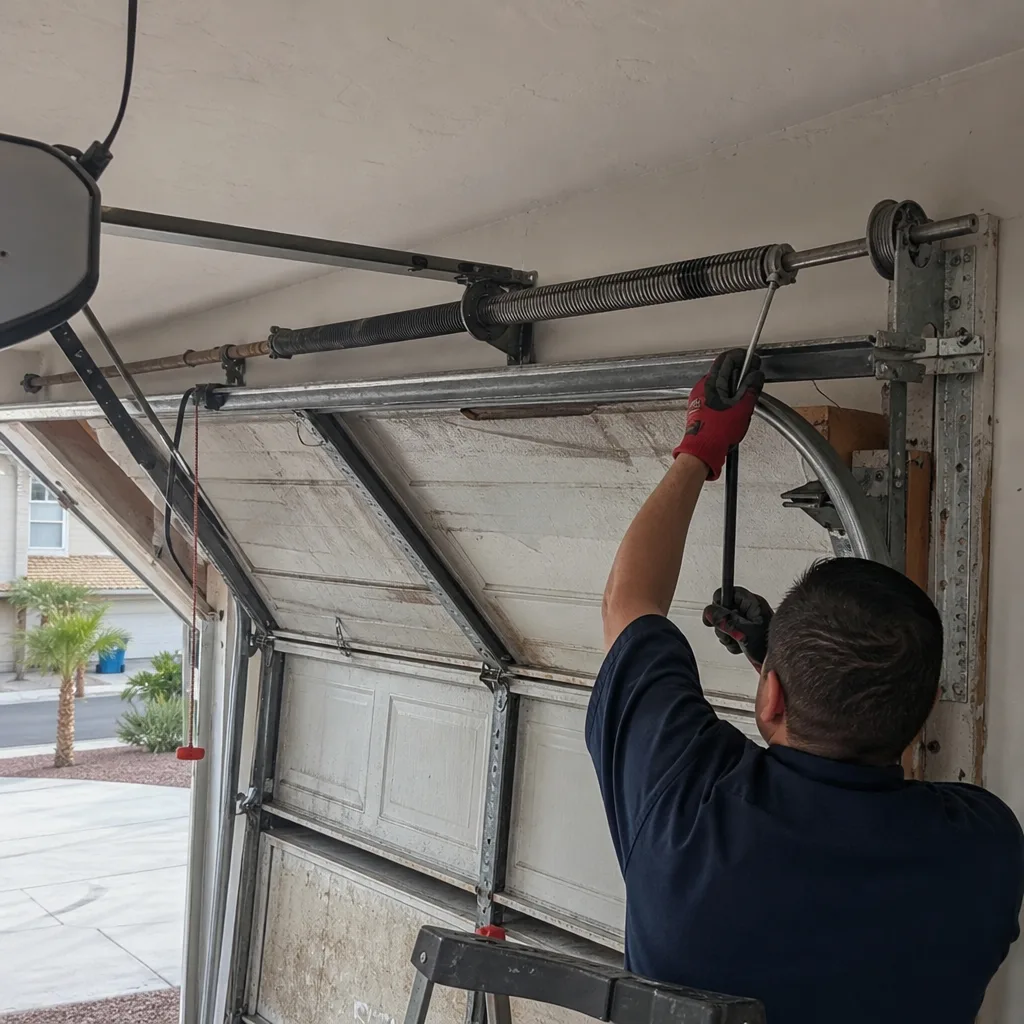 Before
 After
After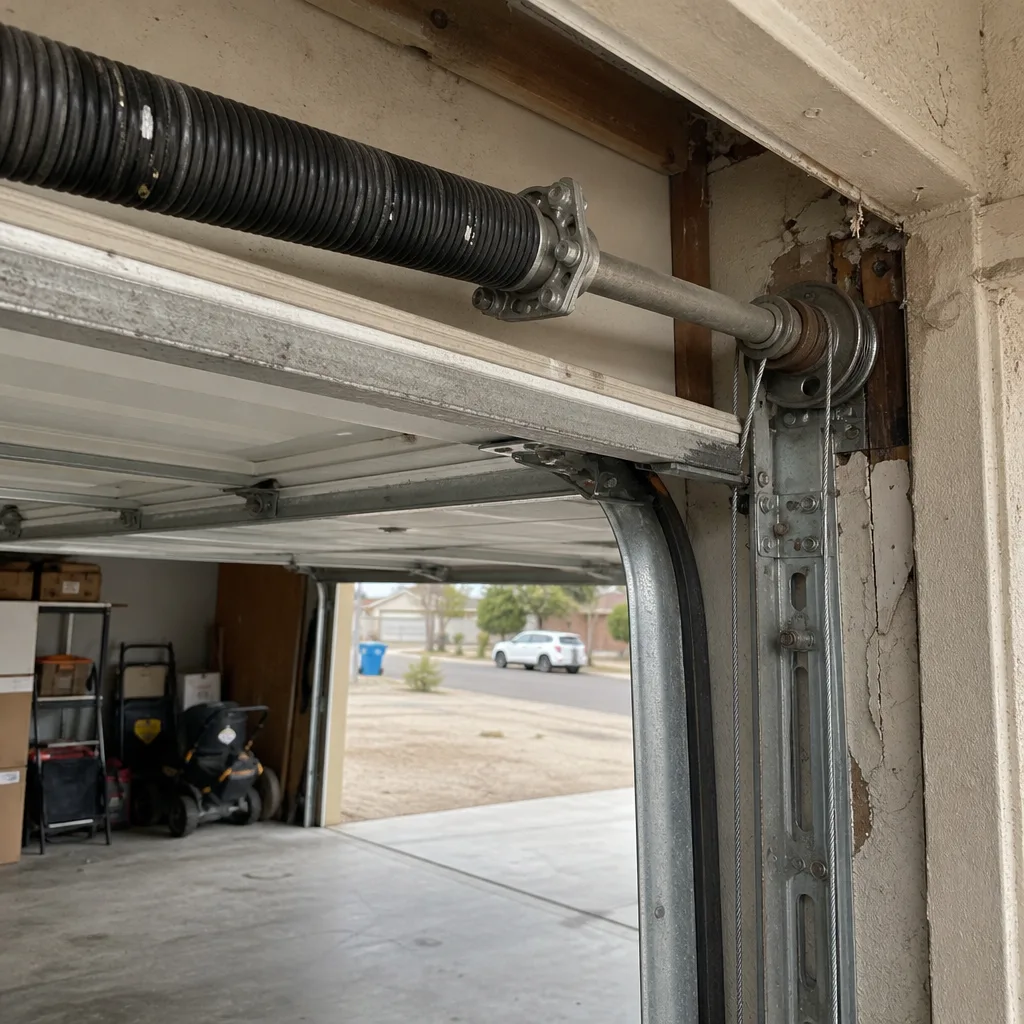 Before
 After
After