
Last updated October 16, 2026
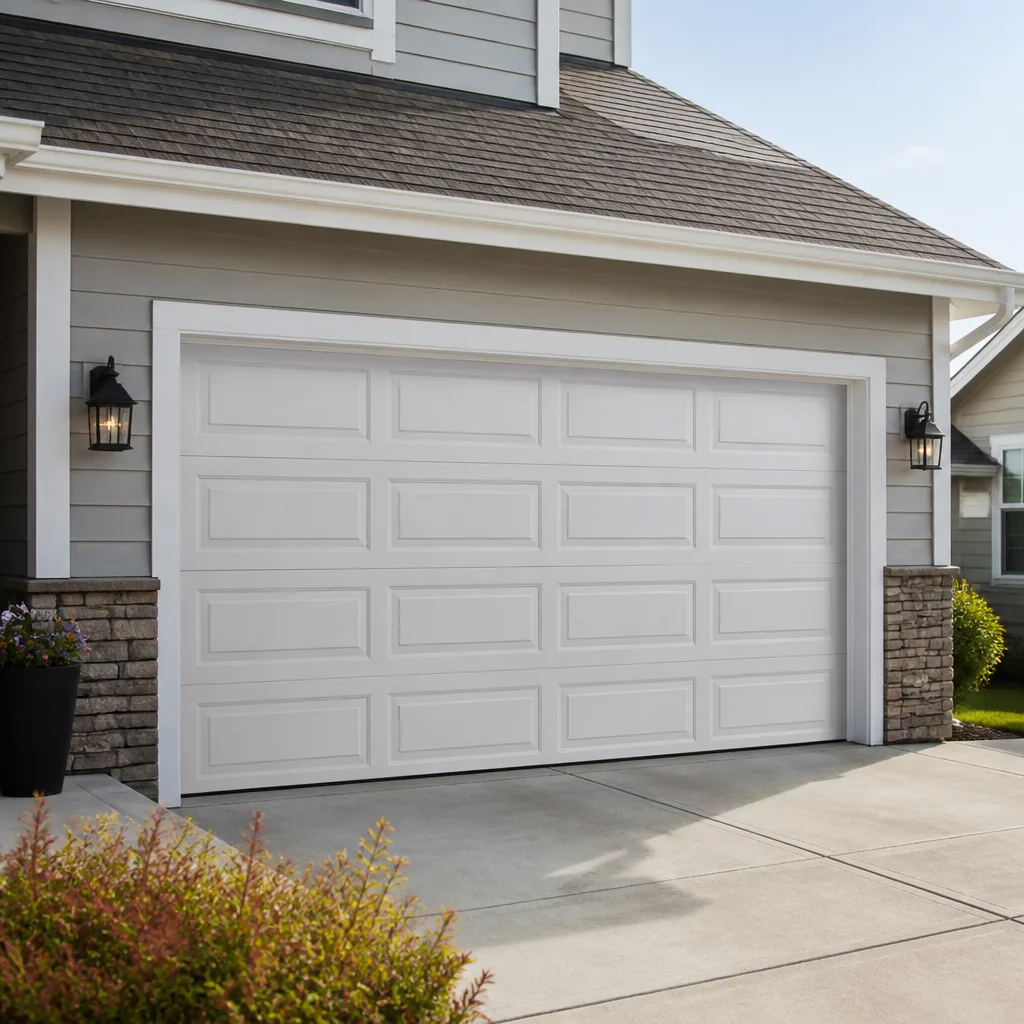 Raised-panel steel
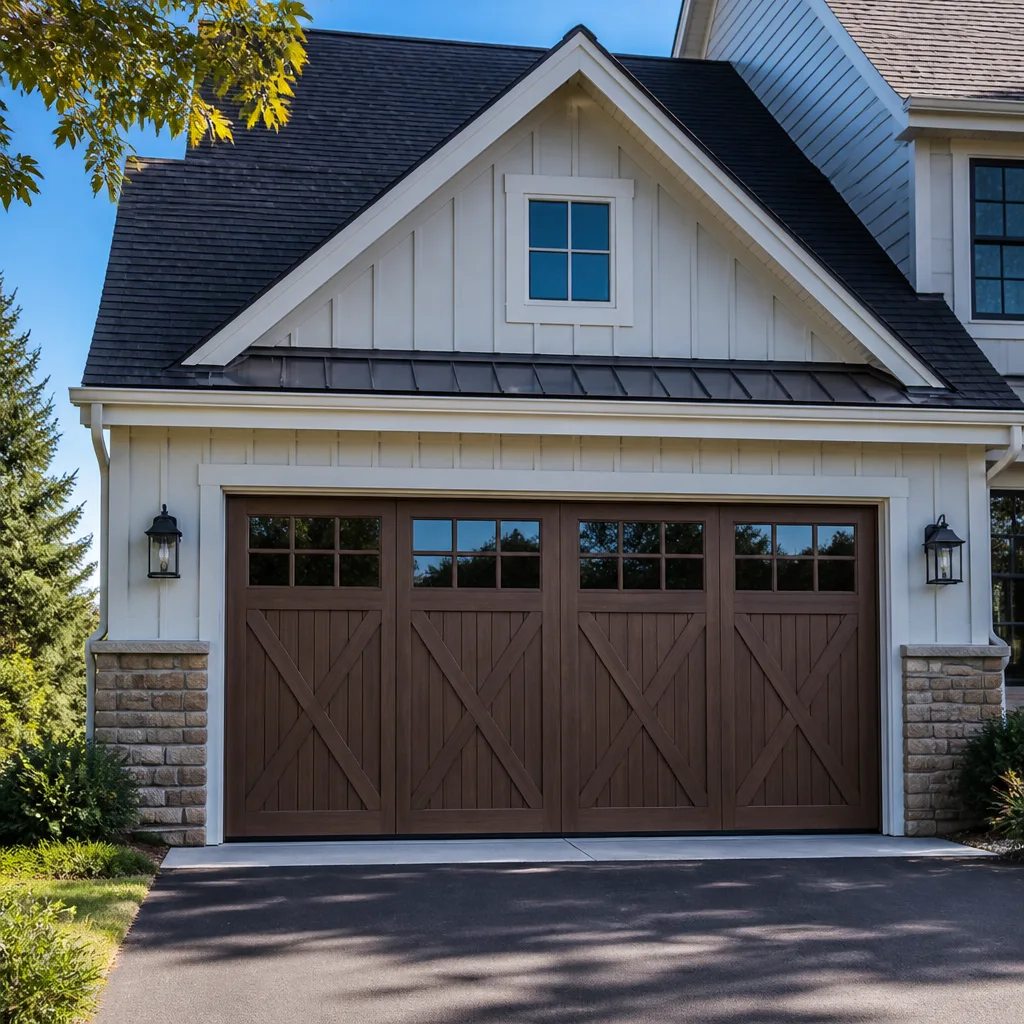 Carriage house
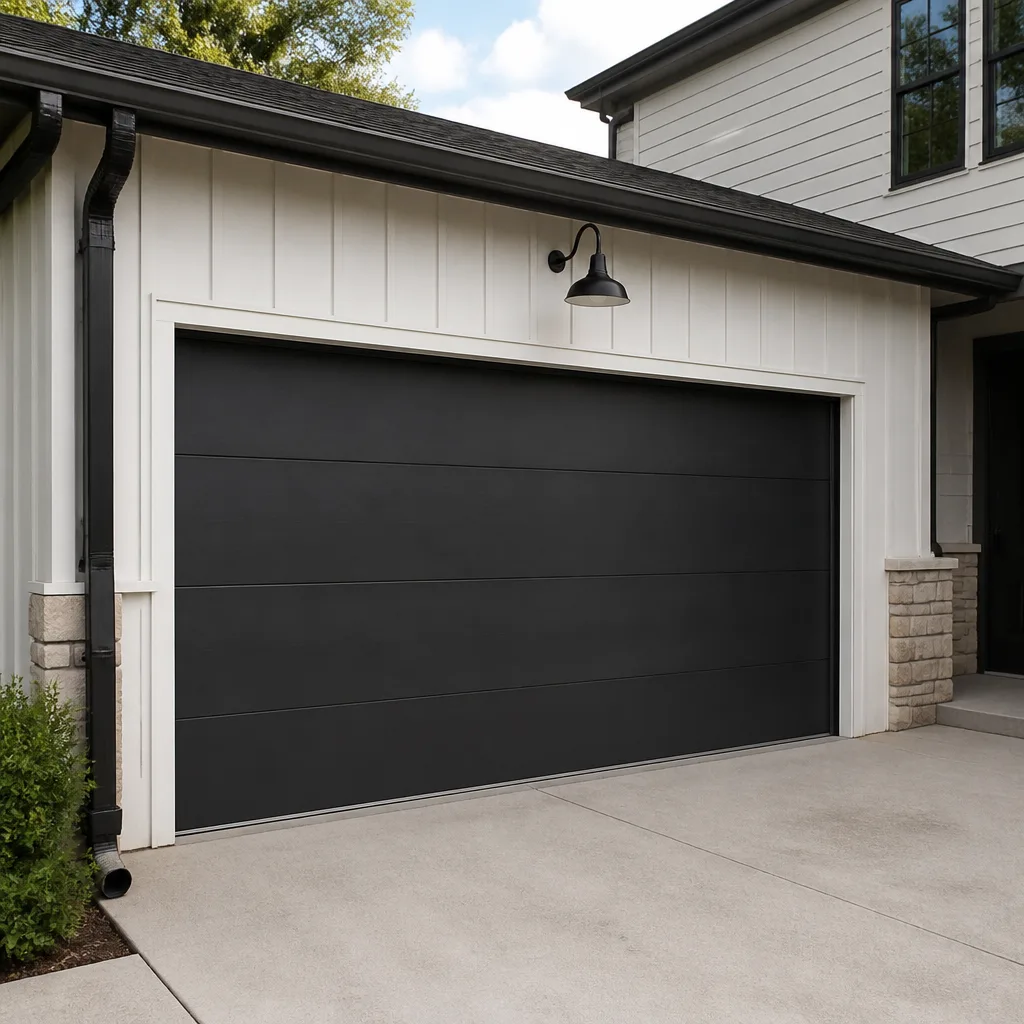 Modern flush
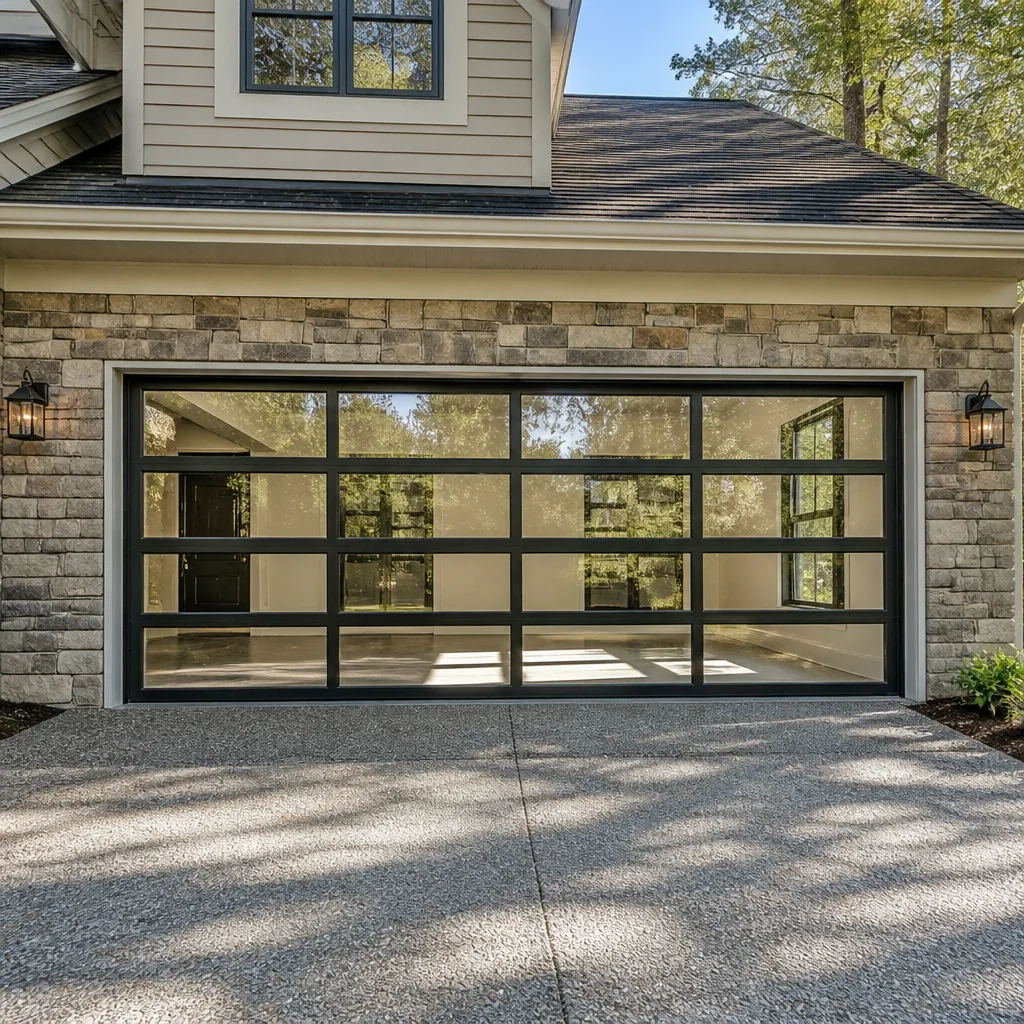 Full-view glass
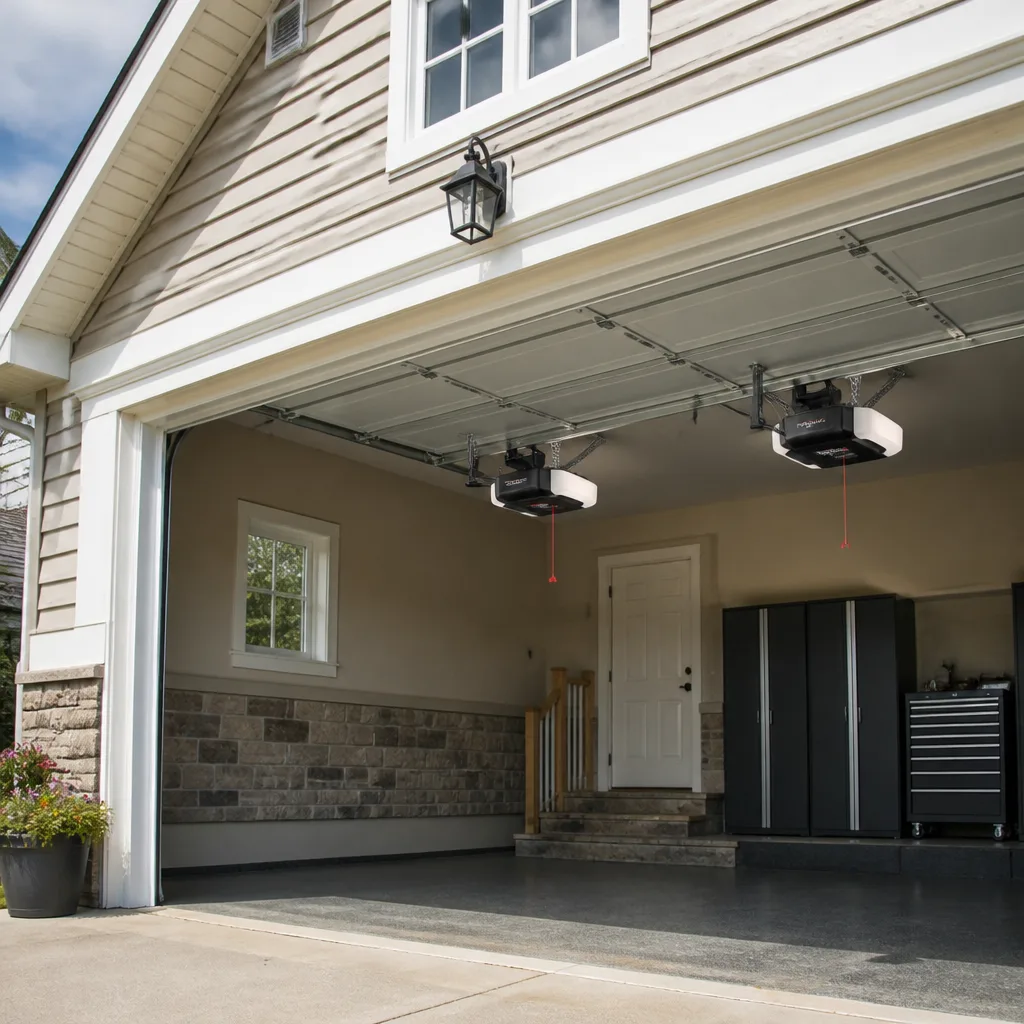 LiftMaster openers
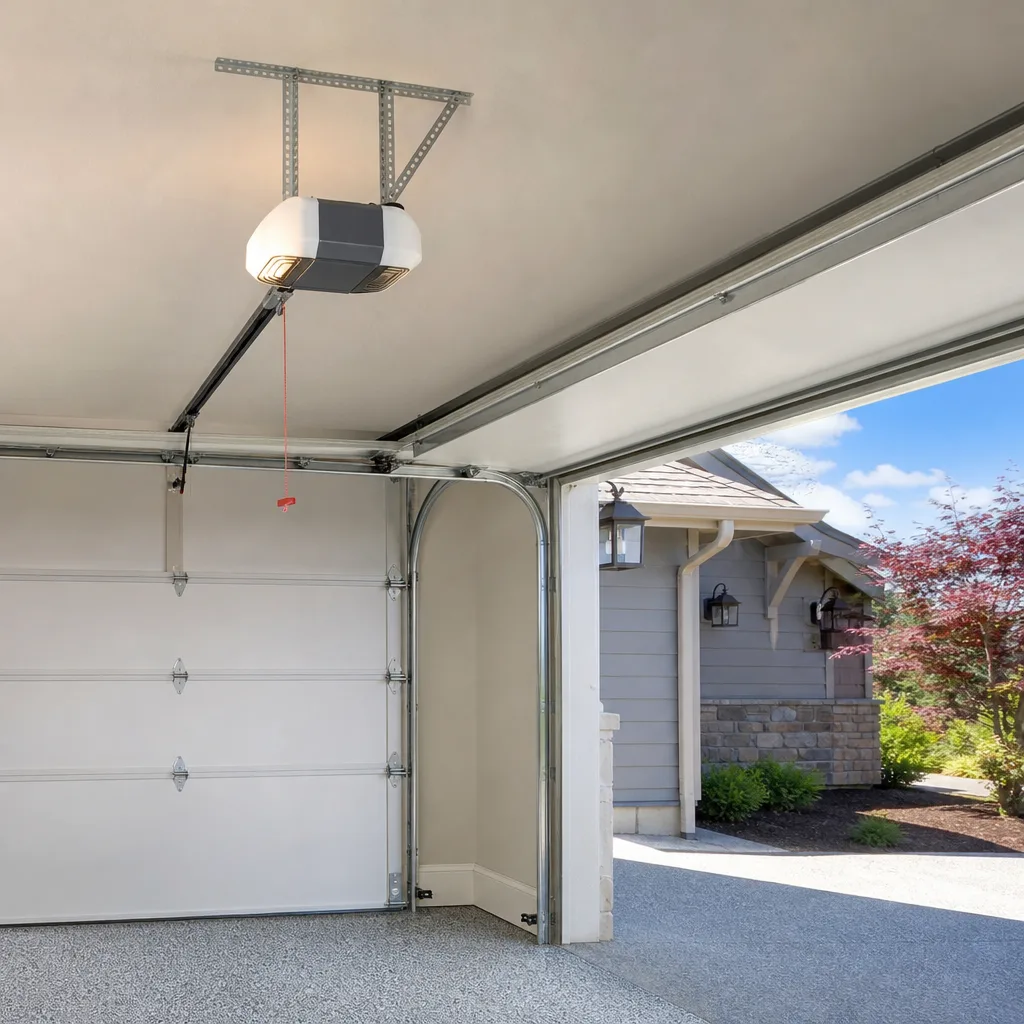 Chamberlain openers
Full 25-point door and opener safety check with every visit - springs, cables, rollers, tracks, and your LiftMaster or Chamberlain opener included
You get a price before we start. It does not change when the truck arrives.
Get your free estimateGarage Door Permits, Codes & Inspections in NV: What You Need to Know
A garage door replacement without a permit sounds like a technicality until your insurance adjuster asks for the permit number after the door crushes your car. Clark County denied thousands of claims over the past decade tied to unpermitted work, and garage doors were on that list. This guide covers exactly when Nevada requires a permit, what it costs in Las Vegas, how energy codes affect which door you can install, and why your HOA might have more power over your garage than the county does. For more guides & resources, visit our blog.
Styles & brands we work with
Quick Answer
In Nevada, you need a building permit to replace a garage door when the structural opening changes or when the replacement involves significant framing, header, or structural work. A like-for-like swap of an existing sectional door, and most opener-only replacements, typically do not require a permit in Clark County. However, city-level rules, HOA architectural guidelines, and Nevada’s adopted energy code can each impose additional requirements that change the answer for your specific property.
Table of Contents
- When a Garage Door Permit Is Required in Clark County
- What Doesn’t Need a Permit (and Why Contractors Still Check)
- Clark County Garage Door Permit Fees and Turnaround Times
- Nevada Energy Code and Garage Door Insulation Requirements
- HOA Architectural Review vs. Nevada Building Code: Which One Controls?
- What a Final Inspection Actually Involves (and How to Schedule It)
- Insurance and Unpermitted Work: The Risk Most Homeowners Miss
- Common Mistakes to Avoid
- When to Call a Professional
- Frequently Asked Questions
- The Bottom Line
When a Garage Door Permit Is Required in Clark County
The rule that trips up most Las Vegas homeowners is simple once you understand the logic behind it: the building department cares about the structure, not the door itself. Clark County requires a permit when the work changes the structural opening in the wall where the garage door sits. That means widening the opening, raising the header, converting a single-car opening to a double, or cutting a new door opening where none existed before. If the framing stays exactly as it is and you simply unbolt the old door and mount a new one in the same opening, you are generally doing a like-for-like replacement, which the Marlow Garage Door Repair Las Vegas home team performs regularly without pulling a permit.
Here is the breakdown of what triggers a permit in Clark County:
- Structural opening changes: Any modification to the header, jambs, or surrounding wall framing requires a permit. This is structural work, not door work.
- New openings cut into existing walls: Adding a garage door where none existed before always requires a permit and an engineered header detail.
- Converting a window or wall section into a garage door: This changes the load path of the wall and requires structural review.
- Full garage additions or new construction: Permit required as part of the broader building permit, not a standalone door permit.
- Replacing a roll-up commercial-style door with a sectional residential door: The track system, mounting points, and weight distribution differ enough that the county wants to review the installation.
What surprises people is how often a “simple” replacement turns into a permit situation. In older Las Vegas neighborhoods like Paradise Palms, McNeil, or mid-century tracts near Charleston Heights, we frequently see doors with non-standard opening heights or widths. If the homeowner picks a new door that doesn’t fit the existing rough opening, and the solution involves cutting into the header or reframing the jambs, the job now requires a permit. It’s the framing modification, not the door, that triggers the requirement.
What Doesn’t Need a Permit (and Why Contractors Still Check)
Most of the work Marlow does in Las Vegas falls into the no-permit category, and that is a good thing for homeowners who want the job done without waiting on plan review. A direct replacement of a sectional garage door in the same opening, using the same track configuration and mounting points, does not need a building permit in Clark County or the City of Las Vegas. Replacing a garage door opener, swapping out garage door springs in Las Vegas, or replacing cables also falls outside the permit requirement because none of these touch the structure.
Here is what typically does not require a permit:
- Like-for-like sectional door replacement: Same opening, same track style, same mounting layout. No permit needed.
- Opener replacement or upgrade: Including smart opener swaps from Genie or LiftMaster. The opener is considered an appliance, not a structural component.
- Spring and cable replacement: Wear items replaced in the existing hardware configuration. No permit needed.
- Track realignment or hardware replacement: Cosmetic and mechanical hardware that bolts to existing mounting points.
- Weather seal and insulation strip replacement: Marginal work that does not affect the structure or energy envelope in a meaningful way.
Even when no permit is required, a competent contractor in Las Vegas still checks the installation against current code. The reason is liability. If a homeowner files an insurance claim for a garage door-related incident, the adjuster may ask whether the installation met the code in effect at the time of the work. A door installed without a permit is not automatically a code violation, but if the installation deviates from the manufacturer’s specified mounting requirements or from the county’s wind load requirements, the homeowner has a problem. That is why we verify the opening dimensions, header condition, and mounting hardware on every job, permit or not.
Clark County Garage Door Permit Fees and Turnaround Times
What does a garage door permit actually cost in Las Vegas? The short answer is that residential garage door permits in Clark County typically run between $150 and $400 in total fees, depending on the scope of work and whether plan review is required. A simple like-for-like replacement with a structural modification might cost less; a full opening conversion with an engineered header detail will cost more. Clark County publishes a fee schedule that is updated periodically, and the exact number depends on the valuation of the work you declare on the application.
Here is a realistic fee breakdown based on what we see homeowners pay in Clark County:
- Building permit base fee: $100 to $180, depending on the declared project valuation.
- Plan review fee: $60 to $120, applied when structural drawings or engineering details are required.
- Inspection fee: $50 to $90, typically included in the permit total but itemized separately.
- Record retention and technology surcharges: $10 to $30 in miscellaneous fees that appear on almost every Clark County permit.
- Total realistic range: $150 to $400 for most residential garage door permits.
Turnaround time in Clark County is faster than most people expect. A simple residential garage door permit with no plan review requirement is often issued the same day or within two business days. Permits that require plan review for structural modifications typically take five to ten business days. The county has moved much of its permitting online, which means you can submit documents, pay fees, and schedule inspections without visiting a building department office in person. That said, if your project involves an engineered header detail because you are widening the opening, the engineer’s drawing turnaround adds its own timeline, typically one to two weeks.
Nevada Energy Code and Garage Door Insulation Requirements
Nevada adopted the 2020 version of the state energy code, which incorporates the International Energy Conservation Code with Nevada-specific amendments. For garage doors, the practical impact is that new installations on conditioned or semi-conditioned garages in Las Vegas must meet minimum insulation values. The state requires an R-value of at least 10 for residential garage doors when the garage is part of the conditioned envelope of the house, which matters in Las Vegas because so many homes have attached garages that absorb significant heat during summer months.
What this means when you are selecting a door:
- R-10 minimum for attached garages in most Clark County jurisdictions: If your garage shares a wall with living space, the door counts toward the home’s overall thermal envelope.
- Polyurethane-filled doors generally outperform polystyrene: A 1.75-inch polyurethane-filled door from Clopay or Amarr typically delivers R-11 to R-16, which clears the code requirement comfortably.
- Single-layer steel doors fail the energy requirement: A non-insulated door on an attached garage will not pass a final inspection where the energy code applies.
- Detached garages may be exempt: If the garage is fully detached and unconditioned, the inspector may not enforce the R-value requirement. Confirm this with the inspector before paying extra for insulation.
- Weatherstripping matters for compliance: The energy code requires effective sealing at the jambs and header, not just an insulated panel. Inspector will check for gaps and light penetration.
In practical terms for Las Vegas homeowners, most modern sectional doors from the major manufacturers can satisfy the energy requirement. A Clopay or Amarr door with factory-installed polyurethane insulation clears the R-10 threshold without any special ordering. The problems arise when a homeowner tries to save money with a budget single-layer door, or when a generic contractor installs whatever is available at a big-box store without checking the R-value. A failed energy code inspection means a re-inspection fee and potentially a door replacement if the panels do not meet the requirement.
HOA Architectural Review vs. Nevada Building Code: Which One Controls?
This is the section that matters most if you live in a master-planned community like Summerlin, Mountain’s Edge, Providence, or any of the hundreds of HOA-governed neighborhoods in the Las Vegas Valley. The answer is that both apply, but they control different things. The building code controls safety and structure. The HOA’s architectural review committee controls appearance and material choices. One does not override the other, which means a door can pass a county inspection but violate your HOA’s design guidelines, and vice versa.
Here is how the layers work in practice:
- Building code governs safety: Header adequacy, wind load resistance, mounting hardware, spring safety containment, and energy insulation values. The Clark County inspector checks these.
- HOA governs aesthetics: Door color, window style, material finish, and sometimes manufacturer. The architectural review committee checks these.
- Conflicts are resolved by meeting the stricter standard: If your HOA requires a wood-grain finish but county code requires a specific wind rating, you order a wood-grain door that also meets the wind rating. Both requirements apply simultaneously.
- HOA approval does not substitute for a permit: Many HOAs will issue an approval letter that explicitly states you are still responsible for obtaining any required building permits.
- Permit issuance does not override HOA restrictions: The county does not check HOA guidelines, and getting a permit does not protect you from an HOA violation notice.
The practical sequence we recommend in Las Vegas is: check the HOA guidelines first, select a compliant door, then apply for the permit if one is required. Our Garage Door Repair Maintenance Checklist for Las Vegas Homeowners covers the full pre-project review. Doing it in the reverse order leads to the exact situation we see a few times each year: a homeowner buys a door, pulls a permit, schedules the install, and then gets a violation notice from the HOA because the door color or window pattern doesn’t match the neighborhood’s approved palette. The HOA process in most Las Vegas communities takes 10 to 30 days, which is longer than the county permit process, so start there.
What a Final Inspection Actually Involves (and How to Schedule It)
If your garage door project required a permit, the final inspection is the last step before the project is officially closed. The inspection covers a specific checklist, and knowing what the inspector checks means you can avoid a failed inspection. In Clark County, most final inspections for garage doors are scheduled online through the county’s permit portal, and many inspectors are available for morning or afternoon windows. We consistently tell customers to budget 30 to 60 minutes for the inspection slot itself, but the actual on-site time is usually 10 to 15 minutes if the work is done correctly.
Here is what the inspector verifies, in the order they typically check:
- Permit documentation is posted or accessible: The permit number must be visible or retrievable on a phone. The inspector needs it to pull up the project record.
- Door dimensions match the approved plans: If a plan review was required, the installed door must match the approved drawings in size and configuration.
- Header and jamb condition: The inspector looks for proper bearing on the header, adequate fastener spacing, and no visible deflection.
- Spring containment: Torsion springs must have safety containment cables running through them. Extension springs must have safety cables too. This is a code requirement in Nevada and a common point of failure.
- Safety reversal system: The opener must reverse when it contacts a 1.5-inch block on the floor and the photo-eye sensors must stop and reverse the door when tripped.
- Energy code compliance: If the energy code applies to your project, the inspector verifies the door’s insulation R-value and checks weatherstripping installation.
- Final visual walk-around: The inspector looks for any obvious installation defects, loose hardware, or damage that would indicate a non-code-compliant installation.
Scheduling in Las Vegas is less painful than people expect. The county’s online portal lets you request an inspection for a specific business day, and the inspector calls or texts with a window that morning. You do not need to take a full day off work. You can authorize the contractor to be present for the inspection on your behalf, which is what many of our customers do. The inspector only needs access to the garage, not the house interior.
Insurance and Unpermitted Work: The Risk Most Homeowners Miss
Let’s be direct about the insurance angle because it is the part of this conversation that creates real financial pain. If a garage door fails and causes property damage or injury, your homeowner’s insurance company may deny the claim if the work was done without a required permit. The adjuster will ask for the permit number. If you cannot produce one, and the work was the type that required a permit under Clark County rules, you are now in a dispute where you bear the burden of proof. We have heard from Las Vegas homeowners who learned this the hard way after a door fell on a vehicle.
The scenarios where this matters most:
- Structural modifications without a permit: Widening an opening, raising a header, or converting a wall section. The insurance company argues the structural work was never reviewed by the county.
- Door failure causing injury: A spring failure that launches a cable, a panel that falls from the track, or a full door collapse. If the installation was unpermitted and the permit was required, the claim faces an uphill battle.
- Door damage from wind or theft: Nevada’s wind load requirements exist for a reason. An unpermitted door that fails in a wind event gives the insurer grounds to question the installation quality.
- Sale of the home: Unpermitted work disclosed during a sale can delay closing or force a retroactive permit, which costs more than the original permit would have.
The fix is straightforward. Before you sign a contract for a garage door replacement that involves any structural change, ask the contractor whether a permit is required. If you’re unsure how to vet them, see our How to Hire a Garage Door Contractor in Las Vegas: A Step-by-Step Guide. A legitimate Las Vegas contractor will give you a direct answer. If the answer is yes, budget the permit fee and timeline into the project. If the answer is no, ask them to explain why. Most importantly, get it in writing. The contractor’s written statement that no permit was required protects you in a dispute even if the contractor later disappears.
Common Mistakes to Avoid
- Skipping the permit because the contractor says it’s not needed. Contractors in Las Vegas vary in their diligence. Some say no permit is needed because they don’t want to deal with the paperwork. Verify independently with the Clark County Building Department or ask a second contractor.
- Assuming HOA approval covers the building code. The HOA letter addresses appearance. It does not satisfy Clark County’s building permit requirements. You need both where both apply.
- Buying a cheap single-layer door for an attached garage. You will fail the energy code inspection, pay a re-inspection fee, and potentially replace the door entirely. A polyurethane-filled 1.75-inch door from Clopay or Amarr clears the R-10 requirement without drama.
- Ignoring wind load requirements. Nevada has adopted wind load standards that affect garage door bracing and mounting. A door rated for a low-wind region may not pass inspection in Las Vegas, where wind events can hit 70+ mph.
- Not asking for a written scope before work starts. If the project expands during installation and a permit becomes necessary mid-job, you need documentation of what was originally agreed. Without it, you bear the full cost and liability of the change.
- Waiting until the last minute for HOA approval. HOA architectural review committees in Las Vegas master-planned communities often meet monthly. If you order the door first and then apply, your installation gets delayed by the full review cycle.
- Self-installing a door with structural modifications. We respect a capable DIYer, but once you modify a header or jamb, you are doing structural work that a Nevada inspector reviews. The risk of an improperly supported header is a door that eventually falls, with you standing under it.
When to Call a Professional
Call a professional when your garage door project involves any structural modification to the opening, when you are replacing a door on an attached garage and need to satisfy the energy code, or when your HOA requires architectural review documentation that a licensed contractor must prepare. Also call if the project involves garage door cable repair in Las Vegas or spring work, because high-tension springs and cables can cause serious injury if handled incorrectly. A trained tech can assess the opening, determine whether a permit is needed, and handle the paperwork. Garage door repair in Las Vegas from a company that knows the local code keeps you out of insurance disputes and HOA violations. Marlow Garage Door Repair Las Vegas offers free estimates in Las Vegas, including a permit-need assessment on every call. Call (725) 373-9798 to schedule yours.
Frequently Asked Questions
You need a permit if the replacement involves changing the structural opening, modifying the header or jambs, or cutting a new opening. A like-for-like replacement of an existing sectional door in the same opening with the same track configuration typically does not require a permit in Clark County. When in doubt, call (725) 373-9798 and we’ll tell you what your specific project requires before you spend a dollar.
Expect to pay between $150 and $400 total for a residential garage door permit in Clark County, depending on whether plan review is required and the declared valuation of the work. Permits with structural modifications that require an engineered drawing run toward the higher end of that range. The county’s online portal itemizes every fee, so there are no surprises.
Yes. Opener replacement, including smart opener upgrades from Genie, LiftMaster, or Chamberlain, is treated as an appliance swap in Clark County and does not require a building permit. The opener’s safety reversal features still need to work correctly, and a final inspection, if one applies to the broader project, will test them.
For an attached garage in Las Vegas, the Nevada energy code requires residential garage doors to have an R-value of at least 10. A polyurethane-filled door that is 1.75 inches thick from Clopay or Amarr typically delivers R-11 to R-16 and satisfies the requirement. Single-layer steel doors do not meet the standard and will fail an inspection where the energy code applies.
If you live in an HOA-governed community in Las Vegas, such as Summerlin or Mountain’s Edge, yes. The architectural review committee approves door color, window style, and material finish. HOA approval does not replace a building permit, and a building permit does not override HOA guidelines. You need both where both apply. Call (725) 373-9798 for help navigating the process.
You risk a denied homeowner’s insurance claim if the door fails and causes property damage or injury, plus potential fines from Clark County and complications when selling the home. A retroactive permit costs more than the original and requires the work to be inspected after the fact. Get the permit answer in writing from your contractor before work starts.
The Bottom Line
Garage door permits in Nevada come down to one question: does the work change the structure? If the answer is yes, pull the permit, budget $150 to $400, and plan for a final inspection. If the answer is no, do the like-for-like swap and move on. Layer in the HOA process if your Las Vegas neighborhood has one, verify the energy R-value on attached garages, and never skip a required permit to save a few hundred dollars. The insurance risk alone makes that a bad trade. When you work with a contractor who gives you a written answer on permits before any wrench turns, you remove the ambiguity. That is how we do it at Marlow Garage Door Repair Las Vegas, on every job, since 2002. Call (725) 373-9798 for a free estimate and a straight answer on whether your project needs a permit.
Written by Jaylen Ross, Owner at Marlow Garage Door Repair Las Vegas, serving Las Vegas since 2002.
See the difference
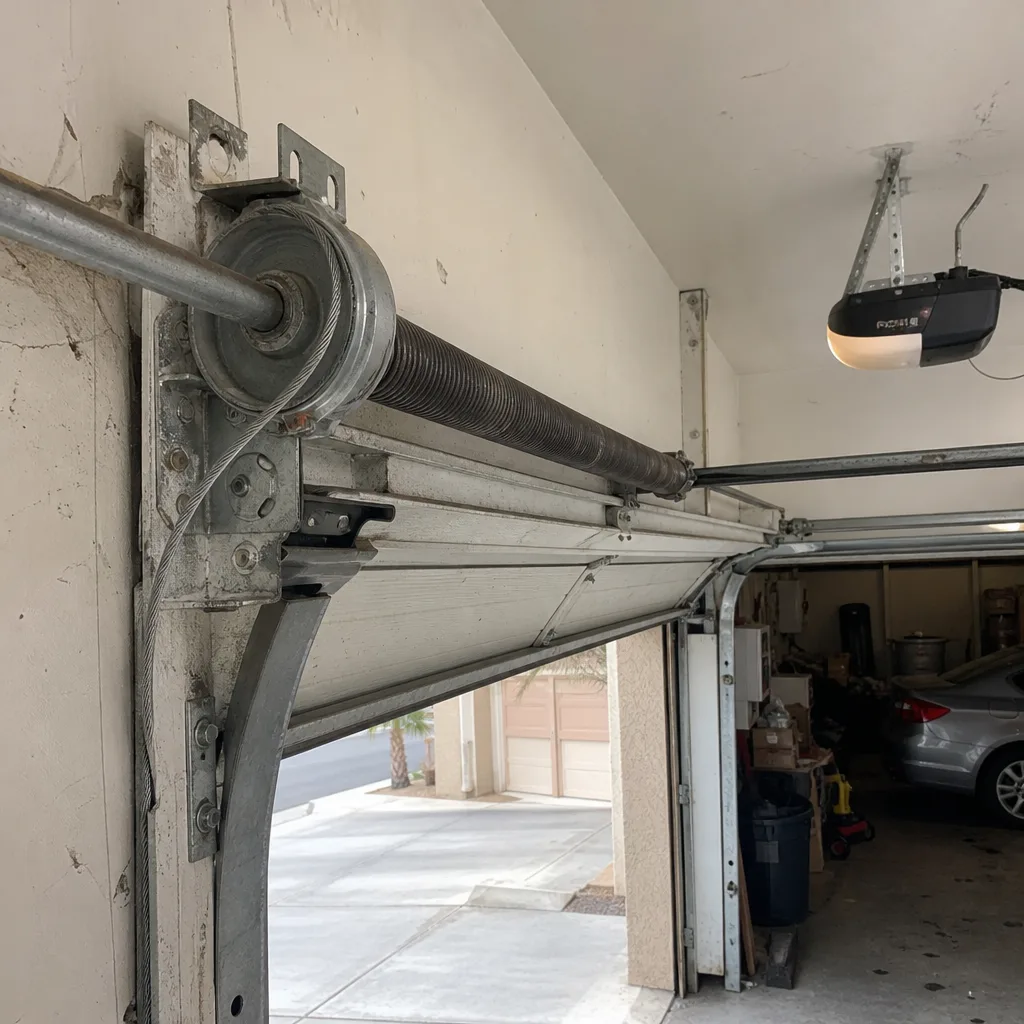 Before
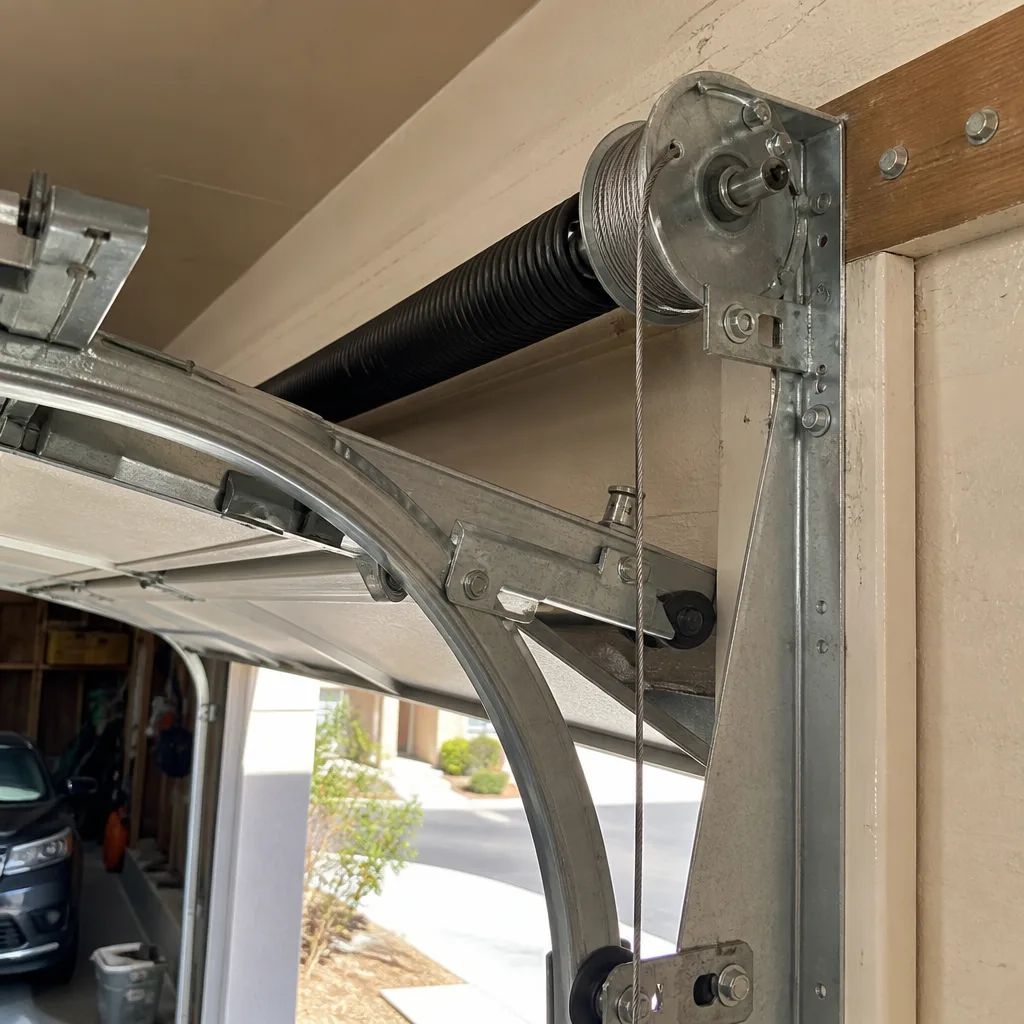 After
After Before
 After
After Before
 After
After